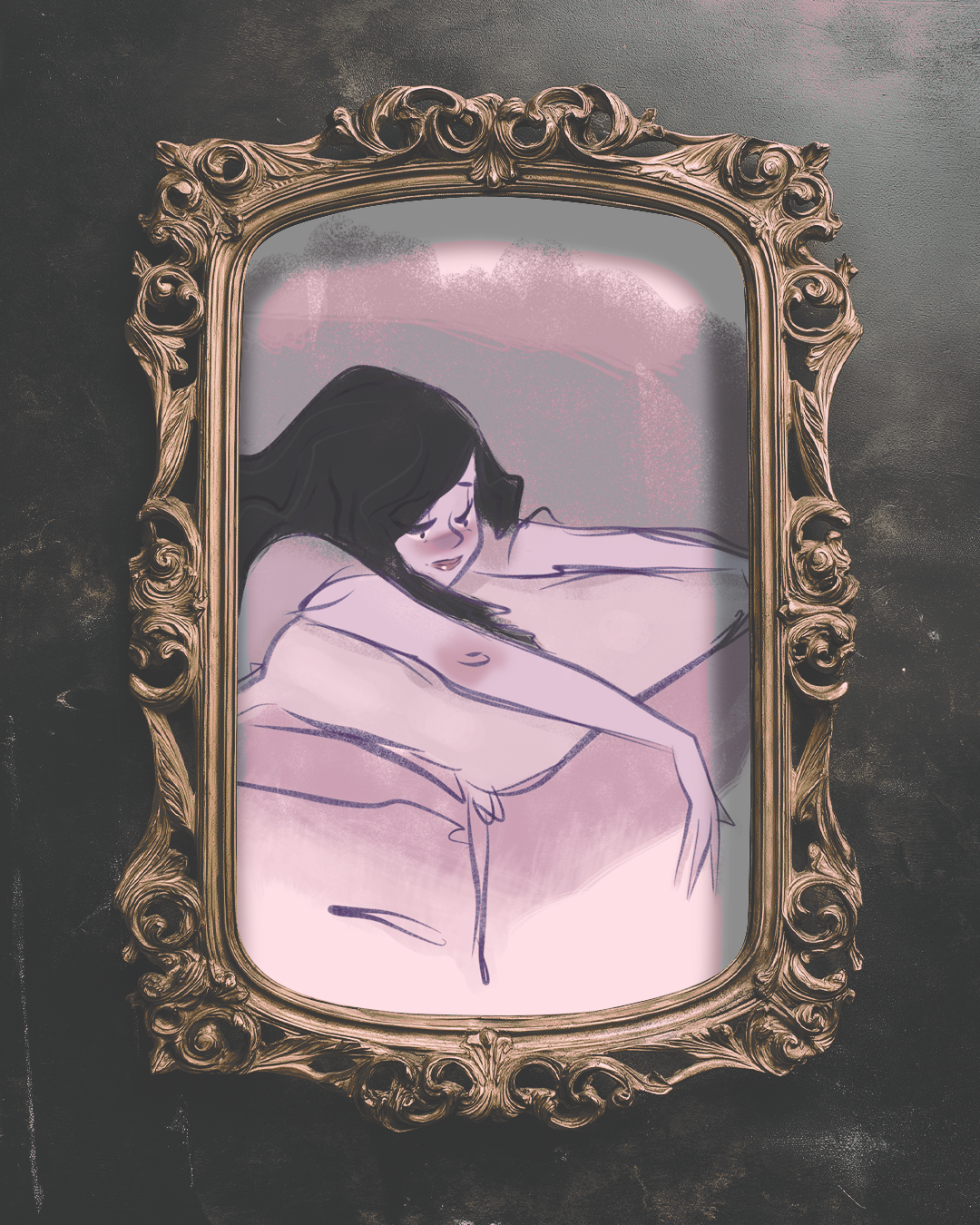
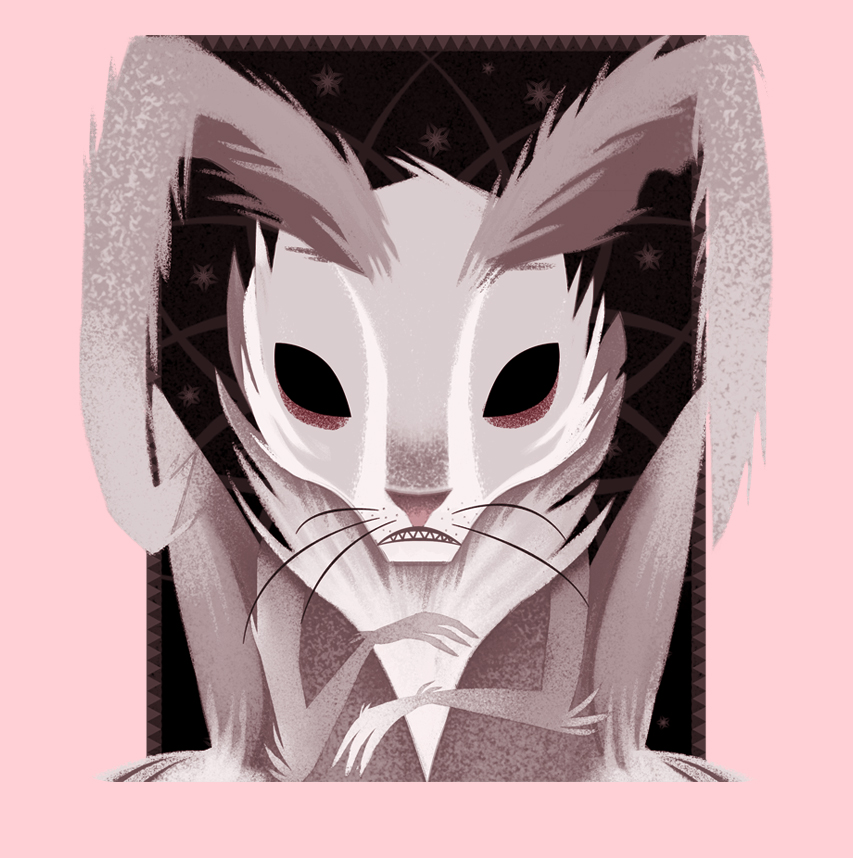
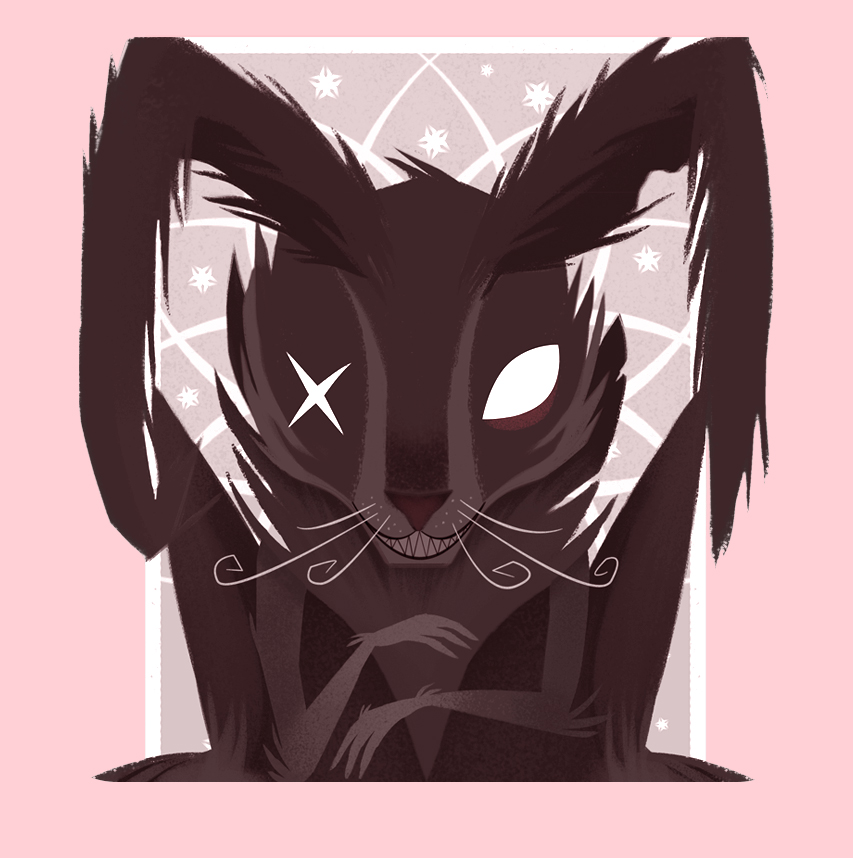
When I decided to become an illustrator and visual developer, I thought the biggest challenge would be skill. I assumed talent and hard work were the only ingredients. But from the very beginning, something inside me always felt… off. Missing. Out of reach. That feeling started when I first entered the animation program at San José State University. I was sixteen, an immigrant from Dubai, completely alone in California, trying to build a future through art while quietly falling apart inside. On paper, I was talented. In reality, every day felt like wading through fog. I didn’t know yet that I was carrying undiagnosed PTSD, depression, and the kind of loneliness that eats through your bones. Other students seemed to move through the world with a kind of ease I didn’t have. I always felt like I was fighting something invisible, something no one else could see.
When Panic Becomes the Background Noise
Through my twenties, I pushed through. I built a career, worked for major studios, created work I’m still proud of, all while quietly unraveling behind the scenes. At my worst, I was having debilitating panic attacks every week. The kind that left my hands numb, my chest tight, my mind detonating in loops of fear. People think panic is dramatic, loud, cinematic. It’s not. It’s suffocating and silent, a bomb going off inside your body while you pretend everything’s fine. Trying to create under those conditions was like trying to paint during an earthquake. Some days I could force it. Most days it hollowed me out completely. I kept asking myself the same question… Why is this so much harder for me than everyone else? It wasn’t until my early 30s that I finally got an answer. A psychologist diagnosed me with CPTSD, anxiety disorder, and panic disorder, the holy trinity that had been quietly shaping my life for years. And suddenly everything made sense.
The Turning Point: Choosing Help
Therapy became the first real mirror I ever looked into. Piece by piece, I began unlearning the idea that struggling made me weak, or that asking for help was a failure. Eventually, after long conversations with my psychologist, we made the decision that changed everything: medication. People don’t talk about it enough, but medication can save a life in the softest, most invisible way. For me, it was like someone finally found the mute button in my brain. The explosions stopped. The constant dread eased. My body stopped living in a state of emergency. For the first time in my life, I felt what other people casually described as “normal.” It wasn’t happiness, it was quiet. The first quiet I’d ever known. And in that quiet, I finally had space to breathe. To draw. To exist without bracing for impact.
Art After Survival
I won’t pretend everything became perfect. Mental health isn’t a straight line, it’s a tide. Even now, old wounds open, especially when life stirs the debris of the past. I still have panic attacks sometimes. I still have days where my mind feels like a battlefield I didn’t ask to enter. But the difference now is that I’m not fighting unarmed. Medication, therapy, and self-awareness didn’t erase my struggles, they made them manageable. They gave me a fighting chance at the career I wanted. They made art possible again. And that’s why I want to be open about this… there is nothing shameful about needing help, or taking medication, or being honest about the mind you’ve been given. Struggle doesn’t make you broken. It makes you human.
What I Want Other Artists to Know
If your mind feels like a hostile place, if panic, anxiety, or trauma sit beside you while you create, you aren’t “less than.” You aren’t weak. You aren’t failing. You’re doing the impossible, building beauty inside a storm. And some days, the bravest thing you can do is simply stay. Stay with the page, stay with yourself, stay long enough to try again tomorrow. That’s not just art. That’s survival with style.